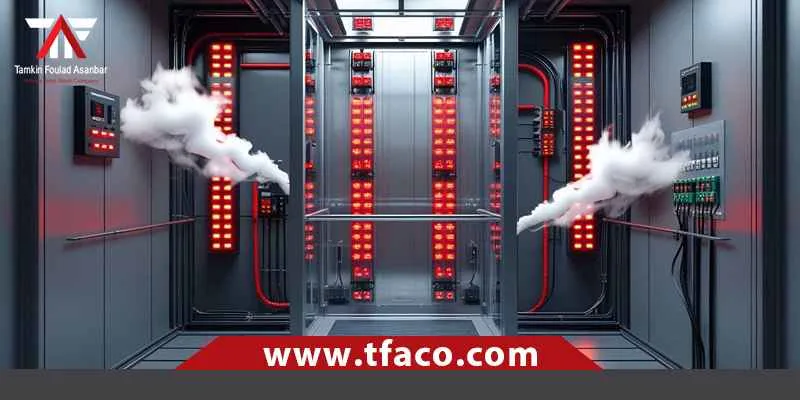
Why Does an Elevator Stop Between Floors?
Elevators are essential vertical transportation systems in modern buildings, playing a significant role in making daily movement faster and more convenient. However, one of the most concerning problems passengers may experience is an elevator suddenly stopping between floors.
Such incidents can cause anxiety, stress, and potential equipment damage. Understanding the reasons behind unexpected elevator stoppages is essential for improving passenger safety and preventing recurring technical problems.
This article explores the main technical, human, and environmental factors that cause elevators to stop unexpectedly. It also explains the importance of elevator maintenance, the function of the elevator emergency button, and the correct actions to take when an elevator stops between floors.
Introduction
Elevators are among the most important safety and convenience systems in residential, commercial, and industrial buildings. Their reliable and safe operation is essential for building occupants.
One common issue is an unexpected stop between floors, which can occur due to various technical, human, or environmental factors.
Understanding these causes and following a regular elevator maintenance schedule can significantly reduce the likelihood of unexpected stoppages.
Knowing how the elevator emergency button works and understanding the correct emergency procedures are also essential for passenger safety.
Technical Causes of Elevator Stoppages
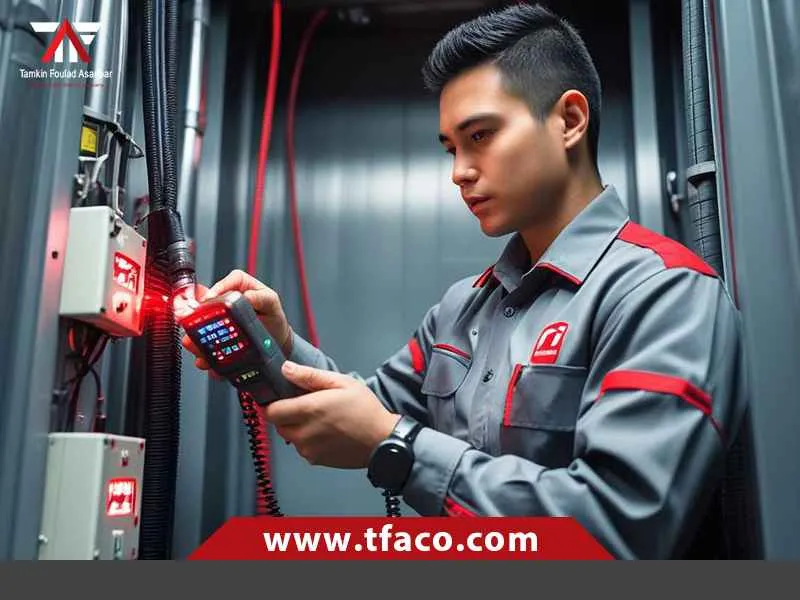
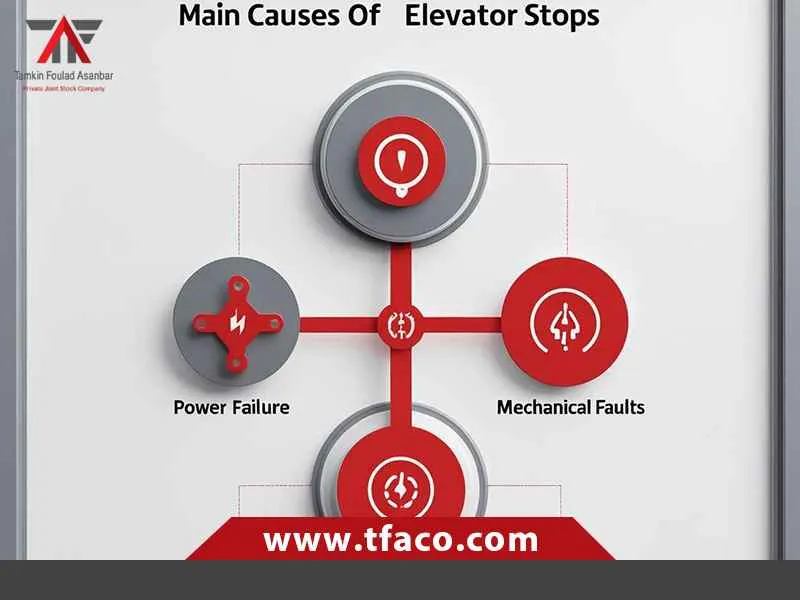
Many elevator stoppages are related to technical problems involving mechanical and electrical components. The following are some of the most common technical causes.
1. Power Supply Problems
A stable and continuous power supply is essential for proper elevator operation. Power outages, voltage fluctuations, or electrical faults can cause an elevator to stop unexpectedly.
When the power supply is interrupted or experiences significant fluctuations, the elevator control system may automatically stop the elevator to protect passengers and equipment.
Electrical problems can also damage control circuits and affect motor performance.
Prevention tips:
- Install suitable power protection equipment.
- Use an appropriate emergency power system where required.
- Inspect electrical wiring and connections regularly.
- Ensure that the building’s electrical system meets the elevator’s requirements.
For example, installing an emergency power supply in a commercial building can help reduce elevator downtime caused by power outages.
2. Elevator Control Panel Failure
The elevator control panel acts as the brain of the elevator system. It manages movement commands, floor selection, speed regulation, and stopping operations.
A malfunction in control boards, relays, fuses, or electronic components can interrupt normal elevator operation.
Modern elevators may use PLCs or microcontrollers to manage their functions. Any failure in these components can trigger system errors and unexpected stoppages.
Common causes include:
- Damaged electronic control boards.
- Faulty relays and electrical connections.
- Overheating of control components.
- Software or communication errors.
- Poor-quality electrical components.
Regular inspection and professional troubleshooting are essential to maintaining reliable control panel performance.
3. Problems with Safety Sensors and Switches
Elevators are equipped with several sensors and safety switches that monitor cabin position, passenger load, door conditions, and other operating parameters.
If one of these components detects an unsafe condition or develops a fault, the elevator may stop automatically.
For example, if the door safety circuit cannot confirm that the doors are properly closed, the elevator will prevent further movement.
Why are these components important?
Safety sensors prevent elevator operation under potentially dangerous conditions. Regular inspection, adjustment, and replacement of defective sensors help reduce unexpected stoppages and improve passenger safety.
4. Motor or Traction System Failure
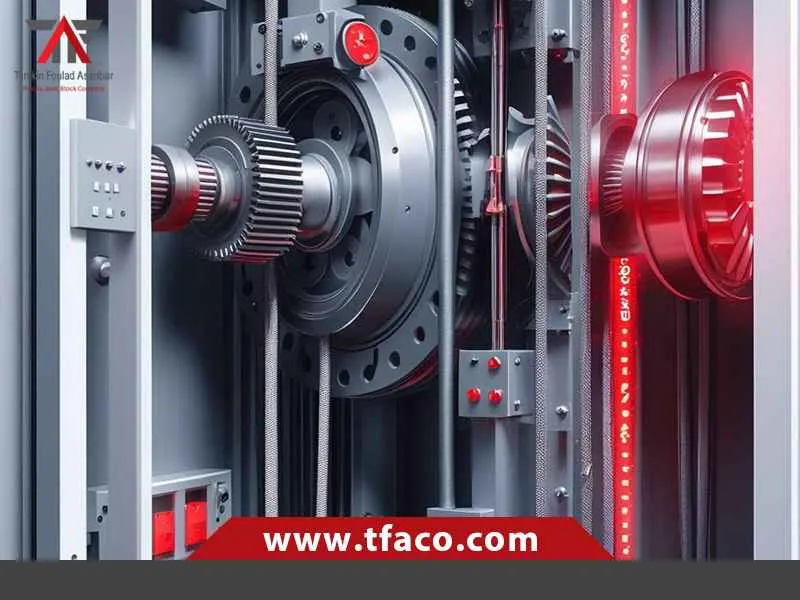
The traction system is responsible for moving the elevator cabin. It generally consists of the motor, suspension ropes, traction sheave, and associated mechanical components.
Mechanical problems in the motor or traction system can cause unusual noises, vibrations, reduced performance, or sudden elevator stoppages.
Common problems include:
- Worn suspension ropes.
- Damaged bearings.
- Insufficient lubrication.
- Motor winding failures.
- Mechanical wear in moving components.
Warning signs to watch for:
- Unusual motor noises.
- Excessive cabin vibration.
- Irregular movement.
- Reduced operating speed.
- Unexpected stopping during operation.
Regular professional inspections of the motor and traction system help identify potential problems before they become serious.
Human and Environmental Factors
Not all elevator stoppages are caused by technical failures. Human behavior and environmental conditions can also contribute to unexpected interruptions.
Improper Elevator Usage
Incorrect passenger behavior can put unnecessary pressure on elevator components.
Examples include:
- Repeatedly pressing elevator buttons.
- Forcing elevator doors open or closed.
- Exceeding the permitted weight capacity.
- Damaging door mechanisms.
- Improperly handling heavy objects inside the cabin.
Overloading is particularly dangerous because it places additional stress on the motor, suspension system, and other components.
Environmental Conditions
Environmental factors can negatively affect elevator performance, especially when equipment is not properly protected.
Important factors include:
- High humidity, which can cause corrosion and electrical problems.
- Dust and dirt, which can interfere with sensors and mechanical components.
- Extreme temperatures, which can affect electronic equipment.
- Poor ventilation in machine rooms, which may cause overheating.
Buildings located in humid or dusty environments require particular attention to preventive elevator maintenance.
Lack of User Training
Passengers who are unfamiliar with elevator safety procedures may unintentionally contribute to equipment problems.
Providing basic safety instructions and educating building occupants about proper elevator usage can help reduce unnecessary equipment stress and improve overall safety.
How to Prevent Elevators from Stopping Between Floors
Preventing unexpected elevator stoppages requires regular maintenance, quality equipment, and professional inspections.
1. Regular Preventive Maintenance
Elevators should be inspected regularly by qualified technicians to ensure that their mechanical, electrical, and safety systems operate correctly.
Preventive maintenance is not limited to repairing existing problems. It involves identifying potential faults before they cause serious failures.
A professional maintenance program should include:
- Inspecting safety sensors and switches.
- Checking suspension ropes and mechanical components.
- Lubricating moving parts where required.
- Inspecting the control panel and electrical connections.
- Testing emergency communication systems.
- Checking the performance of safety devices.
The maintenance schedule should follow applicable regulations, manufacturer recommendations, and the actual operating conditions of the elevator.
2. Using Standardized and High-Quality Equipment
Using reliable components that comply with relevant technical standards is essential for stable elevator performance.
High-quality control panels, suspension ropes, sensors, and electrical components can improve reliability and reduce the risk of unexpected failures.
When replacing elevator components, technicians should ensure that replacement parts are genuine or technically compatible with the existing system.
3. Establishing a Regular Maintenance Schedule
The following table provides an example of a maintenance planning framework. Actual inspection intervals must be determined according to applicable regulations and manufacturer requirements.
| Maintenance Type | Suggested Interval | Main Inspection Areas |
|---|---|---|
| Basic inspection | Monthly | Sensors, doors, and general operating condition |
| Comprehensive inspection | Every three months | Motor, control panel, and suspension system |
| Safety inspection | According to applicable regulations | Emergency systems and safety devices |
Benefits of regular maintenance:
- Increased elevator service life.
- Reduced unexpected stoppages.
- Lower repair and replacement costs.
- Improved passenger safety.
- More reliable elevator performance.
What Should You Do If an Elevator Stops Between Floors?
Knowing how to respond when an elevator suddenly stops is essential for passenger safety.
The most important rule is to remain calm and never attempt to escape without professional assistance.
Emergency Actions for Passengers
If an elevator stops between floors, follow these steps:
- Stay calm: Avoid panic and remain inside the elevator cabin.
- Press the elevator emergency button: Use the emergency alarm or communication system to request assistance.
- Contact building management: If possible, use your mobile phone to inform the building manager or elevator maintenance company.
- Do not force the doors open: Attempting to open elevator doors manually can result in serious injuries.
- Wait for professional assistance: Remain inside the cabin until qualified personnel arrive.
- Follow emergency instructions: Cooperate with trained technicians and emergency responders.
Never attempt to climb out of the elevator or use the elevator shaft as an escape route.
Immediate Actions for Building Managers
Building managers also have important responsibilities when an elevator becomes trapped between floors.
Recommended actions include:
- Contacting the elevator maintenance company immediately.
- Establishing communication with passengers inside the cabin.
- Reassuring passengers and providing clear instructions.
- Arranging for qualified technicians to attend the site.
- Contacting emergency services if necessary.
- Recording the incident and its circumstances.
- Informing building occupants about the elevator’s temporary unavailability.
Passenger evacuation must always be handled by trained and authorized personnel using approved safety procedures.
Importance of the Elevator Emergency Button and How It Works
The elevator emergency button is one of the most important passenger safety features.
When pressed, it activates an alarm or communication system designed to alert building management, an emergency response center, or the elevator service provider.
Its main functions include:
- Allowing trapped passengers to request assistance.
- Activating an audible alarm.
- Establishing two-way communication in equipped elevators.
- Helping emergency personnel identify situations requiring assistance.
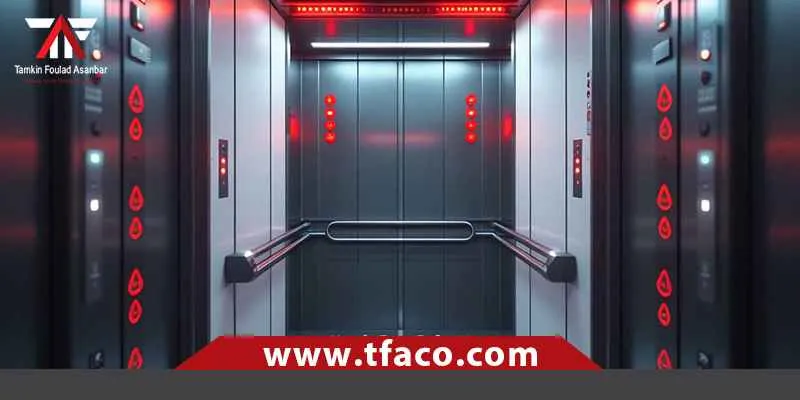
The emergency button is generally installed in an accessible position on the elevator control panel.
Regular testing and maintenance of emergency communication equipment are essential to ensure that it works when needed.
Building occupants should also be familiar with its location and purpose.
The Importance of Elevator Maintenance in Preventing Unexpected Stoppages
Elevator maintenance involves more than routine repairs. It includes preventive inspections, performance monitoring, equipment testing, and continuous improvement.
A comprehensive maintenance program should include:
- Regular inspection of mechanical and electrical components.
- Accurate documentation of maintenance and repair activities.
- Monitoring elevator performance and identifying recurring faults.
- Using maintenance management software where appropriate.
- Training technicians in updated maintenance procedures.
- Replacing worn or defective components when necessary.
- Upgrading equipment according to technical requirements.
A well-organized maintenance program can significantly reduce unexpected failures, improve equipment reliability, and provide greater peace of mind for building occupants.
Frequently Asked Questions (FAQ)
Why does an elevator suddenly stop between floors?
Elevators may stop unexpectedly due to power supply interruptions, control panel failures, defective safety sensors, motor problems, or mechanical faults. Regular maintenance helps identify and prevent many of these issues.
What is the purpose of the elevator emergency button?
The emergency button allows passengers to request assistance when an elevator stops or an emergency occurs. Depending on the system, it may activate an alarm or establish direct communication with emergency personnel.
How can unexpected elevator stoppages be minimized?
Regular preventive maintenance, high-quality replacement components, professional inspections, and proper passenger behavior can significantly reduce unexpected elevator stoppages.
What should passengers do when an elevator stops between floors?
Passengers should remain calm, press the emergency button, contact building management if possible, and wait for qualified assistance. They should never attempt to open the doors or escape independently.
Can passengers restart an elevator themselves?
No. Elevator troubleshooting and restarting should only be performed by qualified and authorized technicians. Unauthorized intervention can create serious safety risks.
Conclusion
Elevator stoppages between floors can result from various technical, human, and environmental factors. Understanding these causes and implementing appropriate preventive measures are essential for maintaining elevator safety and reliability.
Regular maintenance, the use of standardized equipment, professional inspections, and proper passenger behavior all play important roles in reducing unexpected elevator stoppages.
When an elevator stops unexpectedly, staying calm and using the emergency communication system are the safest actions passengers can take. Building managers must also be prepared to coordinate a professional emergency response.
Although elevators are complex mechanical and electrical systems, proper maintenance and professional supervision can help ensure years of reliable and safe operation.
Investing in regular elevator maintenance not only reduces repair costs but also protects passengers and improves the overall quality of life in residential and commercial buildings.
Tamkin Foolad Asanbar is committed to supporting reliable elevator performance through professional engineering, quality equipment, installation, and maintenance services.
For more information about elevator installation, maintenance, and technical solutions, contact the specialists at Tamkin Foolad Asanbar.