Package elevators, manufactured as ready-to-install units with standardized components, have become known over recent decades as a fast and cost-effective solution for elevator installation in buildings. Despite their advantages, such as quick installation and relatively low initial costs, package elevators also have several disadvantages that should be carefully considered before purchasing. This article provides a comprehensive technical analysis of spare parts availability, specialized repairs, economic considerations, and legal issues to help buyers and building operators make informed decisions.
Technical and Performance Limitations of Package Elevators
Despite their various advantages, package elevators have certain technical and operational limitations. These may include restricted load capacity, limited travel height, and lower efficiency compared to customized elevator systems. Their limited design flexibility, installation constraints, and specialized maintenance requirements can also create challenges. These factors should be carefully evaluated to ensure optimal performance and safety.
Predetermined Design and Limited Flexibility
Package elevators are manufactured based on standardized designs and predefined configurations. While this approach helps speed up production and reduce manufacturing costs, it also introduces certain limitations.
One of the main disadvantages is the limited ability to customize the elevator according to the specific requirements of a building project.
This becomes particularly challenging in buildings with unusual dimensions, unique architectural layouts, or special cabin and operating requirements.
Limited customization may reduce the elevator’s overall functionality and user satisfaction. For example, restrictions on cabin dimensions and equipment configurations may prevent the elevator from accommodating the required number of passengers or carrying capacity without compromising performance.
Compatibility Issues with Special Building Conditions
Installing package elevators in buildings with unusual architectural designs or non-standard spaces can be challenging.
Since these elevators are manufactured according to predefined dimensions, modifying their structure or adapting them to specific building conditions can be difficult and expensive.
Furthermore, integrating package elevators with other building safety and management systems, such as fire alarm systems, emergency power supplies, and access control systems, may require additional adjustments and technical modifications.
For example, in historical buildings or projects with limited machine room space, prefabricated elevators may reduce usable space or create visual inconsistencies with the interior design.
Maintenance and After-Sales Service Challenges
Maintenance and after-sales support for package elevators can involve several challenges. Limited access to original spare parts, a shortage of qualified technicians, and insufficient technical training provided by manufacturers may negatively affect service quality.
In addition, inconsistent maintenance procedures and inefficient customer support systems can lead to dissatisfaction and reduce the elevator’s useful service life.
Improving after-sales support and developing stronger technical service networks are therefore essential.
Dependence on the Manufacturer
One of the most important disadvantages of package elevators is their strong dependence on the manufacturer for repairs and after-sales services.
Maintenance agreements are sometimes structured around exclusive service arrangements, limiting customers to technicians and spare parts supplied by the original manufacturer.
This can become particularly problematic when complex technical issues arise, resulting in longer response times and increased maintenance difficulties.
In addition, manufacturers without extensive regional service networks may struggle to provide timely access to qualified technicians.
Limited Availability of Spare Parts
The limited availability of spare parts is another major challenge associated with package elevators.
This issue can lead to repair delays, higher maintenance expenses, and reduced customer satisfaction.
To address this problem, manufacturers, suppliers, and distributors need to cooperate to ensure the timely availability of essential components.
Establishing effective inventory management systems can also improve spare parts accessibility and reduce the negative impact of supply shortages.
Availability of Original Spare Parts for Package Elevators
One of the most significant disadvantages of package elevators is the difficulty of sourcing original spare parts in the domestic market.
Due to their specific manufacturing structure, many essential components are produced by particular manufacturers in limited quantities.
As a result, finding suitable replacement parts when a breakdown occurs can be difficult and time-consuming, creating additional challenges for building owners and operators.
The Impact of Spare Parts Shortages on Maintenance Costs and Downtime
A shortage of spare parts not only increases maintenance expenses but can also significantly extend elevator downtime.
Long repair periods caused by difficulties in sourcing components or ordering them from overseas can inconvenience residents and result in financial losses for businesses operating within the building.
Furthermore, delayed repairs may cause additional damage to other components, increasing the overall cost of maintenance.
Comparison with Custom-Built or Locally Manufactured Elevator Components
Unlike package elevators, custom-built or locally manufactured elevator systems generally offer better access to replacement parts.
Domestic manufacturers can often provide components more quickly and at lower costs.
Additionally, locally sourced components can be better adapted to regional technologies and maintenance requirements.
These advantages make custom-built elevators an attractive option for long-term construction projects.
Difficulties in Specialized Repairs by Local Technicians
Specialized repairs of package elevators can be challenging for local technicians due to their technical complexity and specific maintenance requirements.
Limited access to appropriate diagnostic equipment and up-to-date technical training can make troubleshooting more difficult and may result in repeated breakdowns or improper system performance.
Working with experienced technicians who are familiar with modern elevator technologies is therefore essential for maintaining safety and reliability.
Specialized Knowledge and Equipment Requirements
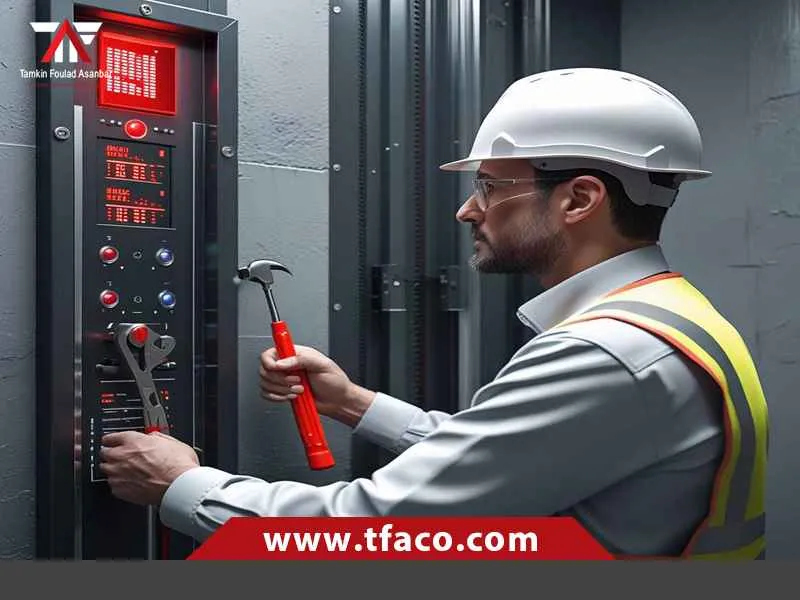
The complex structure of package elevators, particularly their control systems and electronic circuits, requires specialized technical knowledge and advanced diagnostic equipment.
Technicians without sufficient experience with these specific systems may not be able to identify and resolve certain technical problems effectively.
The lack of focused technical training and standardized maintenance equipment remains an important challenge in this area.
Limitations of Local Technicians in Resolving Advanced Problems
Insufficient technical knowledge and limited access to specialized equipment can prevent local technicians from providing comprehensive repair services.
As a result, building operators may need to contact official service centers or authorized representatives, increasing maintenance expenses and extending repair times.
Consequences of Repair Delays and Additional Costs
Delays in specialized maintenance can increase the likelihood of further component damage and affect the overall performance of the elevator system.
Ultimately, these issues can result in higher repair costs and extended periods of elevator downtime, negatively affecting building occupants and daily operations.
Economic and Legal Considerations
Economic and legal considerations are particularly important when evaluating package elevators.
From an economic perspective, these systems may offer financial benefits through faster installation and relatively straightforward maintenance.
However, from a legal and regulatory perspective, compliance with applicable elevator safety standards and installation requirements is essential to prevent accidents and establish clear responsibilities.
Therefore, both aspects should be carefully evaluated before making a purchasing decision.
High Initial Purchase Costs Compared to Custom Elevators
The relatively high initial purchase price of some package elevators compared to custom-built alternatives can be an important factor in the purchasing decision.
Although package elevators use standardized designs and preassembled components, their specialized technology, manufacturing arrangements, and transportation requirements may increase their overall cost.
This can affect construction budgets and makes it important to compare the technical and financial advantages of both options before choosing an elevator system.
Lack of Transparency in Warranty and Services
A lack of transparency in warranty terms and after-sales services is another challenge associated with some package elevators.
Unclear warranty periods, complicated service conditions, and restrictions on after-sales support can reduce customer confidence and create difficulties when technical problems arise.
Manufacturers and suppliers should provide clear warranty documentation and detailed service commitments to improve customer satisfaction and establish trust.
Risk of Non-Compliance with National or Regional Standards
Failure to comply with applicable national or regional elevator standards can negatively affect the safety, performance, and durability of package elevators.
Non-compliance with technical and safety requirements may increase the risk of accidents and equipment failures, potentially leading to serious financial and legal consequences.
Therefore, verifying compliance with relevant regulations and conducting the required inspections and tests before installation are essential steps in ensuring elevator safety and quality.
Comparison Table: Package Elevators vs. Custom-Built Elevators
| Feature | Package Elevators | Custom-Built Elevators |
|---|---|---|
| Spare Parts Availability | May be limited and time-consuming | Generally easier to source locally |
| Specialized Repairs | May require specialized technicians and equipment | Often easier for qualified local technicians |
| Initial Purchase Cost | Can be relatively high | Can be adjusted to the project budget |
| After-Sales Service and Warranty | May involve restrictions or unclear terms | Can offer more flexible service arrangements |
| Compliance with Standards | Requires individual verification | Can be designed around applicable standards |
| Design Flexibility | Limited by predefined configurations | Highly customizable |
Common Challenges and Their Consequences
| Challenge | Main Problem | Potential Consequence |
|---|---|---|
| Spare Parts Shortages | Delays in component availability | Longer downtime and higher costs |
| Difficult Specialized Repairs | Lack of technical knowledge and equipment | Repair delays and additional expenses |
| High Initial Purchase Costs | Specialized technology and transportation | Increased financial pressure |
| Unclear Warranty Conditions | Ambiguous contractual terms | Customer dissatisfaction and legal disputes |
| Standards Compliance Risks | Failure to meet applicable regulations | Safety and legal risks |
Frequently Asked Questions (FAQ)
What Is a Package Elevator and How Does It Differ from a Custom-Built Elevator?
A package elevator is a ready-to-install elevator system supplied with standardized components and predefined configurations.
A custom-built elevator, on the other hand, is designed and manufactured according to the specific requirements of a building and can incorporate locally manufactured or specially selected components.
Why Do Package Elevators Have Design Limitations?
Because package elevators are manufactured using standardized configurations and mass-production methods, their design flexibility is limited. This may prevent them from fully meeting the requirements of buildings with unusual dimensions or specialized architectural designs.
How Can Package Elevator Maintenance Problems Be Reduced?
Maintenance challenges can be reduced through proper technician training, guaranteed access to spare parts, comprehensive maintenance agreements, and regular technical inspections.
What Are the Hidden Costs of Purchasing a Package Elevator?
Potential hidden costs include expensive replacement parts, specialized repair services, delays in after-sales support, and additional expenses resulting from extended elevator downtime.
Do Package Elevators Comply with Safety Standards?
Many package elevators are manufactured in accordance with international safety standards. However, compliance with the applicable national and regional regulations must always be verified before purchasing and installing an elevator.
Final Thoughts
Considering the potential disadvantages of package elevators, including spare parts availability, difficulties in specialized repairs, economic considerations, and legal and regulatory risks, choosing this type of elevator requires careful evaluation.
Understanding these challenges and planning ahead can help building owners reduce unexpected expenses and improve long-term operational reliability.
Custom-built elevators, with their greater design flexibility and potentially easier access to local spare parts and maintenance services, can be a suitable alternative for projects with long-term operational requirements.
Ultimately, the best choice depends on the building’s technical specifications, available budget, maintenance infrastructure, and long-term operational needs.