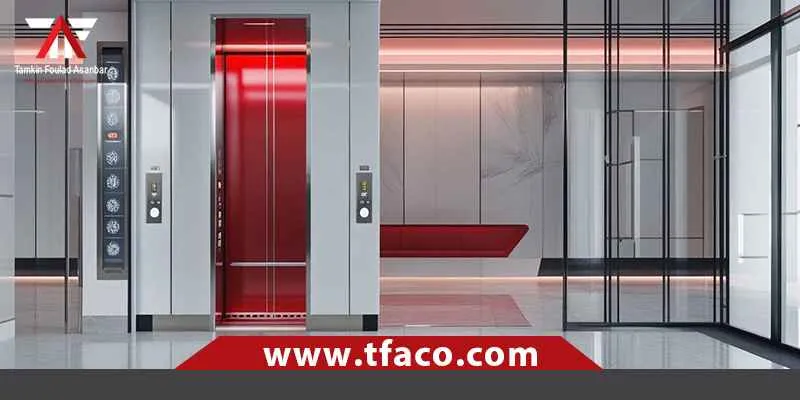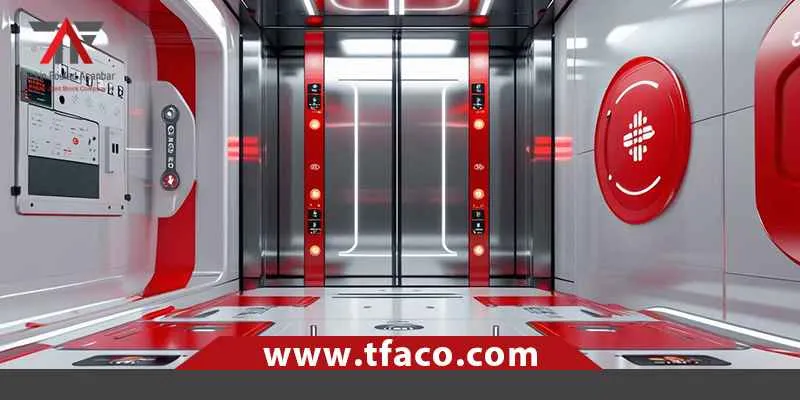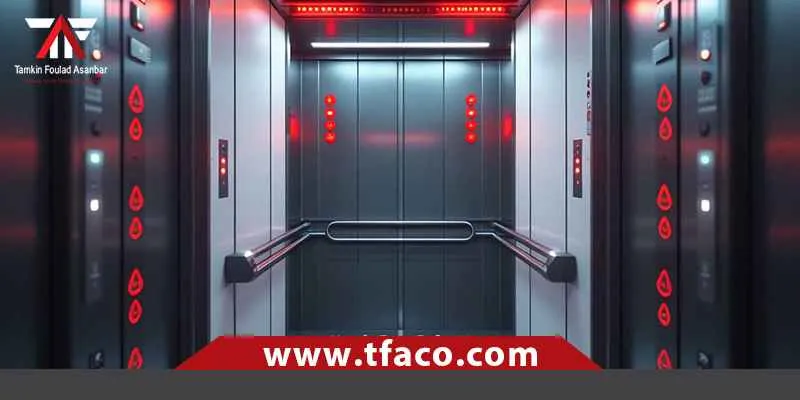
Temkin Foolad Asanbar, with more than a decade of specialized experience in elevator design, manufacturing, installation, and maintenance, is recognized as one of the leading companies in Iran’s elevator industry. By utilizing modern technologies, a team of skilled professionals, and international standards, the company provides comprehensive elevator solutions that improve customer satisfaction and enhance the quality of life in residential, commercial, and industrial buildings.
What Is an Elevator and How Does It Work?
An elevator is a mechanical transportation system designed to move people and goods safely and efficiently between different floors of a building. Its operation is based on various components, including cables, pulleys, and electric motors, which enable the elevator car to travel vertically.
With precise control systems and multiple safety devices, modern elevators provide smooth and reliable transportation, ensuring passenger comfort and safety throughout every stage of operation.
Elevator Definition and Applications in Residential, Commercial, and Industrial Buildings
An elevator is a mechanical device designed to transport passengers or goods between different floors of a building.
These vertical transportation systems are widely used in residential high-rise buildings, office complexes, factories, and warehouses.
By improving accessibility and reducing travel time, elevators significantly enhance building functionality and quality of life, particularly for elderly individuals and people with mobility limitations.
Main Components of an Elevator
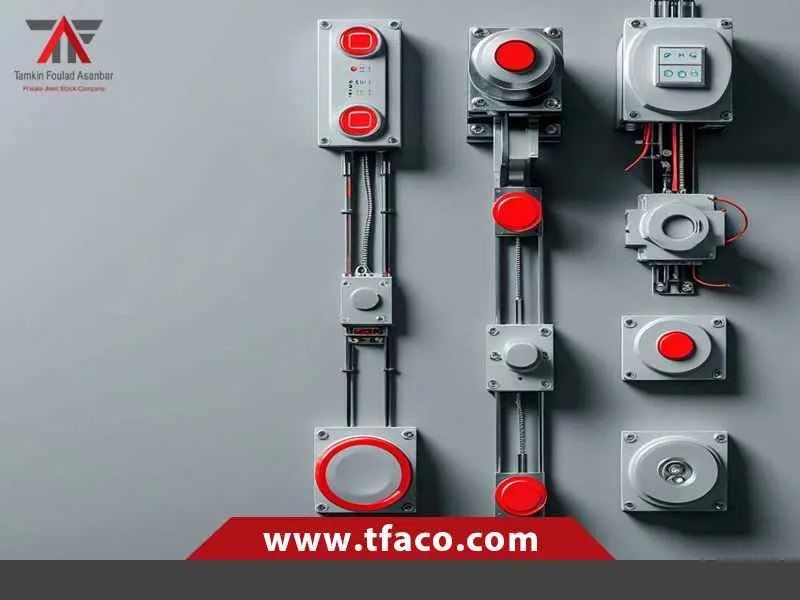
The main components of an elevator include the elevator cabin, motor, control system, doors, and safety devices.
The cabin is the primary compartment used to transport passengers or goods. It is moved by the motor through a system of ropes and other mechanical components.
The control system manages elevator movement, floor selection, stopping operations, and door opening and closing. Elevator doors provide safe entry and exit while helping protect passengers during operation.
Elevator Cabin
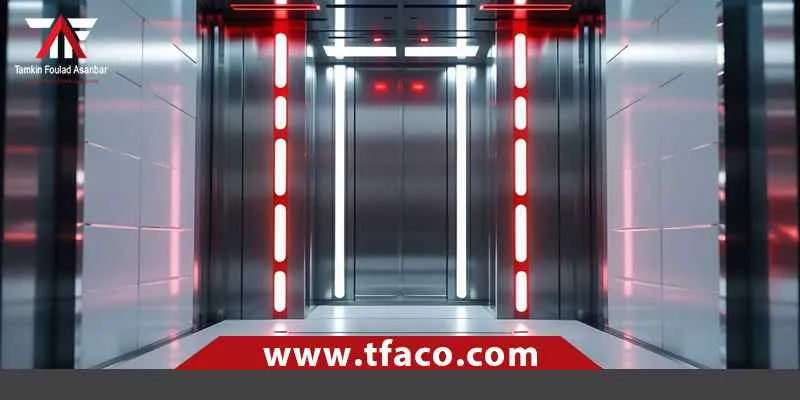
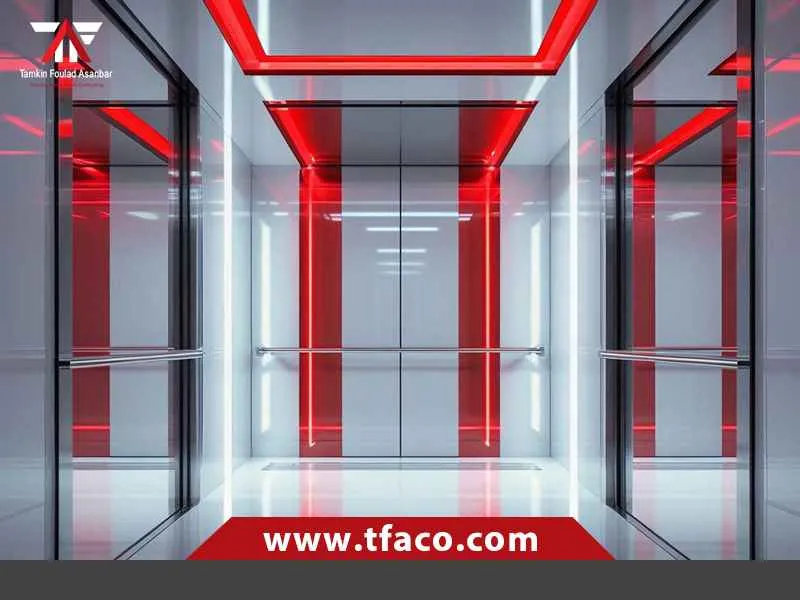
The elevator cabin is the enclosed space designed to transport passengers or goods between floors.
Its structure is generally made of durable materials, particularly steel, and is equipped with an internal control panel, appropriate lighting, ventilation systems, and floor selection buttons.
In specialized designs, elevator cabins may feature glass panels or acrylic surfaces to create a more attractive and modern appearance.
Elevator Shaft
The elevator shaft is the vertical enclosed space through which the elevator cabin and counterweight travel.
This component plays an essential role in guiding elevator movement. It must be carefully designed and constructed to prevent unwanted contact between moving components and the shaft walls while ensuring smooth and reliable operation.
Elevator Motor
The elevator motor is the main driving component responsible for moving the cabin.
Common elevator motor systems include traction and hydraulic motors.
Traction motors typically operate using electrical power and are widely used in high-rise buildings. Hydraulic elevator systems, on the other hand, use pressurized fluid to generate the force required for vertical movement and are generally more suitable for low-rise buildings.
Elevator Control Panel
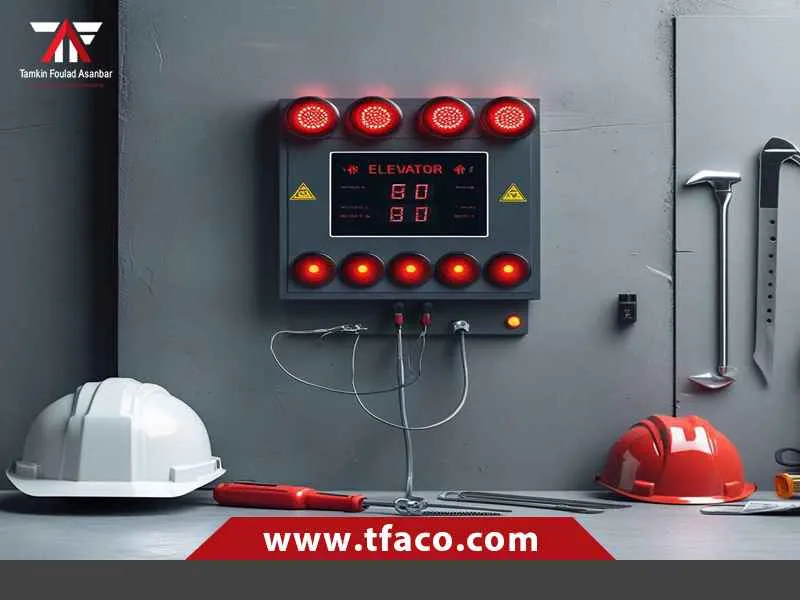
The elevator control panel acts as the brain of the elevator system.
It receives technical and electronic signals from the cabin, sensors, and other components, then controls motor operation and manages the precise stopping of the cabin at each floor.
Modern elevator control panels are equipped with intelligent features designed to improve energy efficiency, operational accuracy, and passenger safety.
Types of Elevators
Elevators are available in various types, each designed to meet different building requirements and operational needs.
Common elevator systems include hydraulic elevators, traction elevators, magnetic elevators, and pneumatic elevators.
Hydraulic elevators are generally suitable for low- and medium-rise buildings, while traction elevators are widely used in high-rise structures.
Traction Elevators
Traction elevators operate through a system of steel wire ropes connected to a counterweight and driven by a traction motor.
Their main advantages include higher travel speeds, suitability for high-rise buildings, and efficient energy consumption.
However, installation can be more complex, and certain configurations require a dedicated machine room.
Hydraulic Elevators
Hydraulic elevators are particularly popular in low-rise buildings due to their relatively simple structure and installation requirements.
They generally do not require a large machine room because the motor and hydraulic pump can be installed next to the elevator shaft or in a relatively small machine space.
Other advantages include smooth and quiet operation, providing a comfortable experience for building occupants.
MRL Elevators (Machine Room-Less Elevators)
One of the important developments in the elevator industry is the Machine Room-Less (MRL) elevator.
In this system, the main motor and associated equipment are installed within the elevator shaft, eliminating the need for a separate machine room.
MRL elevators help reduce the space required for elevator equipment and can simplify building design.
They are particularly suitable for small and medium-sized buildings where available space is limited.
How Does an Elevator Work? From Call to Stop
The elevator operating process begins when a passenger presses a call button to request elevator service.
The request is transmitted to the elevator control panel, which processes the signal and determines the appropriate direction of travel.
The motor is then activated to move the cabin.
During operation, multiple sensors continuously monitor the cabin’s speed and position, ensuring accurate movement and precise stopping at the selected floor.
This coordinated process allows modern elevators to provide safe, comfortable, and efficient transportation.
Important Factors to Consider When Choosing and Purchasing an Elevator
Choosing the right elevator for a building involves much more than finding an affordable price or an attractive design.
The decision should be based on technical requirements and practical considerations to ensure optimal performance, improved safety, and reasonable long-term operating costs.
The following sections explain the most important factors to consider when purchasing an elevator.
Appropriate Capacity Based on Building Type and Size
Selecting the correct elevator capacity is one of the most important decisions during the purchasing process.
Elevator capacity determines the maximum number of passengers or the amount of cargo that can be transported safely in a single trip.
Determining passenger capacity and load requirements
The required capacity should be calculated according to the number of residents or visitors and the building’s intended use, whether residential, commercial, or administrative.
For example, a four- to six-person elevator may be sufficient for a small residential building, whereas larger residential complexes and commercial centers may require higher-capacity systems.
The impact of capacity on motor selection and cabin design
Higher-capacity elevators generally require more powerful motors and stronger cabin structures.
Traction motors are often more suitable for higher-capacity applications, while hydraulic systems are commonly used for low- to medium-capacity elevators.
Cabin materials, door configurations, and structural components must also be selected according to the required load capacity and applicable safety standards.
The Importance of Brand Reputation, Warranty, and After-Sales Services
The elevator brand plays an important role in determining equipment quality, service life, and operational safety.
Choosing a reputable manufacturer or elevator contractor can provide greater confidence in the system’s long-term performance.
Advantages of reputable elevator brands
Established elevator companies often use modern technologies and follow recognized technical standards.
High-quality components and precise manufacturing processes can help reduce equipment failures and maintenance expenses.
Key considerations when selecting after-sales services and maintenance contracts
Reliable customer support, timely technical assistance, spare parts availability, and qualified maintenance teams are among the most important factors to evaluate before purchasing an elevator.
A suitable maintenance agreement can reduce unexpected expenses, extend equipment life, and improve operational safety.
Installation and Maintenance Costs
The total cost of purchasing an elevator extends beyond its initial purchase price. Installation and maintenance expenses also represent a significant part of the overall investment.
Factors affecting costs
Several factors influence elevator installation and maintenance costs, including:
- Project complexity
- Elevator type, such as traction, hydraulic, or magnetic
- Additional equipment and accessories
- Building height and number of floors
- Structural modifications required for installation
- Warranty coverage and after-sales services
The importance of regular maintenance
Regular preventive maintenance helps reduce unexpected breakdowns, minimize emergency repair costs, and extend the elevator’s useful service life.
A consistent maintenance program is essential for ensuring reliable performance and passenger safety.
Comparison of Different Elevator Types
| Elevator Type | Typical Capacity | Drive System | Main Application | Advantages | Disadvantages |
|---|---|---|---|---|---|
| Traction Elevator | High (20 passengers or more) | Traction motor | High-rise buildings | Lower energy consumption, higher speed | Relatively high installation costs |
| Hydraulic Elevator | Medium (4–10 passengers) | Hydraulic motor and pump | Low-rise buildings | Relatively simple installation, smooth operation | Higher energy consumption, lower speed |
| Magnetic Elevator | Varies by design | Magnetic drive system | Specialized and modern projects | Cable-free movement in certain designs, smooth operation | High costs, specialized technology |
Elevator Safety and Maintenance
Elevator safety is one of the most important considerations for building owners and prospective buyers.
Following technical safety standards and carrying out regular maintenance inspections are essential for protecting passengers and maintaining equipment reliability.
Elevator Industry Safety Standards in Iran
Elevator safety standards in Iran play a vital role in protecting passengers and maintaining equipment integrity.
These standards cover technical requirements, installation procedures, maintenance practices, and periodic inspections.
They are established and implemented under the supervision of the Institute of Standards and Industrial Research of Iran, also known as the Iranian National Standards Organization.
Strict compliance with applicable requirements helps prevent potential accidents and improves elevator performance.
Passenger safety remains the primary objective of these regulations.
The Importance of Periodic Maintenance and Technical Inspections
Regular elevator maintenance and technical inspections are essential for improving safety, operational performance, and equipment lifespan.
Scheduled inspections help identify potential problems before they develop into serious failures, reducing the likelihood of unexpected breakdowns and expensive repairs.
They also help maintain compliance with safety requirements and provide greater peace of mind for building occupants.
Essential Safety Tips for Proper Elevator Use
Using an elevator safely requires following several important precautions:
- Before entering the cabin, make sure the elevator has stopped completely and the doors have opened fully.
- Avoid pressing multiple floor buttons unnecessarily.
- Watch your step when entering or leaving the elevator.
- Keep objects away from the elevator doors to prevent obstruction or damage.
- Use the emergency alarm button if an emergency occurs.
- Never exceed the elevator’s permitted weight capacity.
Following these guidelines helps improve passenger safety and prevent avoidable accidents.
Frequently Asked Questions (FAQ)
What Are the Advantages of Temkin Foolad Asanbar Elevators?
Temkin Foolad Asanbar emphasizes the use of quality materials, advanced safety systems, technical support, and comprehensive after-sales services.
The company also offers customized elevator solutions designed to meet the specific requirements of different building projects.
How Can I Determine the Right Elevator Capacity for My Building?
To determine the appropriate capacity, consider the number of regular occupants or users, the building’s intended purpose, and any anticipated cargo requirements.
Consulting qualified elevator specialists and reviewing applicable technical standards can also help ensure the correct capacity is selected.
How Often Should an Elevator Be Serviced?
Elevator maintenance is commonly recommended every three to six months, although the appropriate interval depends on the equipment type, usage intensity, and manufacturer’s recommendations.
Buildings with high passenger traffic and elevators with demanding operating conditions may require more frequent inspections.
What Is the Difference Between Traction and Hydraulic Elevators?
Traction elevators use electric motors and steel wire ropes to move the cabin and are generally suitable for high-rise buildings.
Hydraulic elevators use pressurized hydraulic oil to move the cabin and are more commonly used in low-rise buildings.
Traction elevators generally offer higher speeds and lower energy consumption in many applications, while hydraulic elevators are known for their smooth operation and suitability for shorter travel distances.
What Should I Consider When Purchasing an Elevator?
Important considerations include:
- Elevator capacity
- Motor and drive system
- Manufacturer and contractor reputation
- Warranty and after-sales services
- Installation and maintenance costs
- Cabin design and dimensions
- Compliance with applicable safety standards
Final Thoughts
Choosing the right elevator for a building is an important decision that requires careful consideration and technical knowledge.
Factors such as appropriate capacity, selecting a reputable brand, evaluating installation and maintenance costs, and following regular maintenance schedules all contribute to reliable elevator performance and passenger satisfaction.
Temkin Foolad Asanbar provides elevator solutions supported by quality products, warranty services, and comprehensive after-sales support.
With its experience and technical expertise, the company aims to be a reliable partner throughout the elevator purchasing, installation, and maintenance process.