Modern urban life is increasingly shaped by multi-story buildings and large residential and commercial complexes. In this environment, elevators are among the most essential building systems, playing an undeniable role in the comfort, convenience, and safety of occupants.
Choosing the right elevator system can improve the everyday user experience while also contributing to the overall value of a property.
One of the popular and modern options is the direct-acting hydraulic elevator. Thanks to its distinctive design and reliable operating mechanism, this elevator system has gained a special position in various construction projects.
In this article, we take an in-depth look at direct-acting hydraulic elevators, explore their applications and advantages, and introduce Tamkin Foolad Asanbar as a specialized company for elevator installation and implementation.
What Is a Direct-Acting Hydraulic Elevator?
Hydraulic elevators generally operate through the movement of hydraulic fluid (oil) and the pressure generated by a hydraulic jack.
In a direct-acting configuration, the hydraulic cylinder is installed directly beneath or alongside the elevator cabin, depending on the system design. The piston is connected directly to the cabin structure and controls its vertical movement without an intermediate pulley or rope arrangement.
This direct connection allows the elevator cabin to move smoothly and provides a stable and controlled operating experience.
Furthermore, eliminating certain intermediate mechanical components can simplify the system and potentially reduce maintenance requirements compared with some other elevator configurations.
Advantages of Direct-Acting Hydraulic Elevators
Direct-acting hydraulic elevators are among the efficient solutions for vertical transportation. Thanks to their relatively simple design and reliable operating mechanism, they offer several advantages compared with other elevator systems.
One of their most important benefits is the potential to optimize installation space and construction costs. Depending on the design, eliminating complex traction mechanisms and certain additional components can reduce installation complexity and shorten the construction process.
These elevators also provide smooth acceleration and deceleration through controlled hydraulic fluid flow, creating a comfortable and stable passenger experience.
The relatively straightforward design of the main components, including the hydraulic cylinder and power unit, can also simplify maintenance procedures and help reduce certain servicing costs over the system’s operational life.
Main Advantages of Direct-Acting Hydraulic Elevators
In addition to these benefits, direct-acting hydraulic elevators can be designed for different load capacities, making them suitable for applications involving heavier loads.
From a safety perspective, these systems can be equipped with pressure-control valves, safety devices, and emergency lowering mechanisms to help protect passengers and ensure reliable operation under abnormal conditions.
Their installation flexibility also makes them suitable for both existing and newly constructed buildings, provided that the structural and technical requirements are properly evaluated.
The main advantages include:
- Smooth and Quiet Operation: One of the most important features of this elevator system is its smooth movement with minimal vibration. This is particularly valuable in hospitals, healthcare facilities, and luxury buildings where passenger comfort is a priority.
- High Safety Levels: The relatively straightforward operating mechanism can reduce the complexity of certain mechanical components. In addition, various safety devices can be incorporated to protect the cabin and passengers during emergency situations.
- Simplified Installation: Direct-acting hydraulic elevators generally do not require a large conventional machine room. Depending on the system configuration, they can be installed in buildings with limited technical space.
- Suitable for Heavy Loads: These elevators can be engineered to handle substantial loads, making them useful in commercial and industrial environments.
- Space Optimization: By eliminating certain bulky mechanical components, these systems can provide more flexibility in the use of available building space.
Applications of Direct-Acting Hydraulic Elevators
Direct-acting hydraulic elevators are reliable and efficient solutions for vertical transportation in a wide range of residential, commercial, and industrial environments.
From low-rise and mid-rise buildings to specialized applications such as industrial, service, and freight elevators, these systems are valued for their relatively straightforward design, smooth operation, and practical maintenance requirements.
In small residential and office buildings where machine room space is limited, direct-acting hydraulic elevators can offer an economical and reliable solution with fewer complex mechanical requirements.
In workshops, warehouses, and distribution centers where heavy loads and pallets need to be transported, reinforced hydraulic elevator systems can be designed with appropriate load capacities to provide stable and safe lifting performance.
Hospitals and healthcare facilities are another important application. In these environments, smooth cabin movement and controlled stopping are particularly important for transporting patients in beds and moving sensitive medical equipment.
Direct-acting hydraulic elevators can also be considered for certain historical or renovated buildings where installing conventional traction systems may be challenging due to structural limitations. Depending on the building conditions, their installation may require fewer structural modifications.
Furthermore, in construction projects located in areas with limited access to technical resources, the relatively straightforward hydraulic system and availability of replacement components can be practical advantages for maintaining reliable operation and reducing downtime.
Overall, direct-acting hydraulic elevators combine safety, maintenance flexibility, and adaptable design, making them suitable for various vertical transportation requirements.
Main Applications
- Hospitals and Healthcare Facilities: Transporting patients on hospital beds and moving medical equipment with smooth and controlled cabin movement.
- Residential Buildings and Villas: Improving convenience, accessibility, and comfort for residents.
- Retail Stores and Commercial Centers: Providing safe transportation for goods and visitors between floors.
- Office Buildings: Improving operational efficiency and providing easier access to different floors.
- Factories and Industrial Facilities: Moving heavy equipment, materials, and industrial loads.
An Overview of Elevator Systems
Elevators are essential components of modern buildings and play a major role in improving accessibility and transportation between floors.
Different elevator technologies are available, including traction, gearless, and hydraulic systems. Each type is designed according to specific building conditions, technical requirements, and client preferences.
Selecting the appropriate system requires careful consideration of factors such as building height, passenger traffic, load capacity, available space, and installation costs.
Differences Between Direct-Acting Hydraulic Elevators and Other Elevator Systems
Direct-acting hydraulic elevators have several structural, operational, and maintenance differences compared with other elevator technologies, including geared traction and gearless traction elevators.
In general, this type of elevator uses one or more hydraulic cylinders whose pistons move the elevator cabin directly. As a result, the system does not require the conventional traction sheave and rope arrangement used in traction elevators.
In terms of space requirements, direct-acting hydraulic elevators may offer greater installation flexibility in buildings with limited machine room space. Depending on the design, they can also be installed without a conventional machine room.
They are particularly suitable for low-rise and certain mid-rise buildings, where they can provide stable and precise transportation over relatively short vertical distances.
Regarding safety and maintenance, hydraulic systems generally have fewer traction-related mechanical components. However, they require specific maintenance procedures, including checking for hydraulic oil leaks, inspecting control valves and pumps, and ensuring the proper condition of cylinders and hydraulic hoses.
These inspections are essential for reducing the risk of system failure and preventing environmental contamination.
In terms of energy consumption and efficiency, traction elevators are generally more economical for high-traffic applications and buildings requiring transportation over greater vertical distances.
By comparison, direct-acting hydraulic elevators can provide reliable performance in applications involving lower traffic levels, heavy loads, and relatively short travel distances.
Ultimately, choosing between these technologies requires a detailed assessment of the project, including available space, daily operating frequency, building height, installation budget, and long-term operating costs.
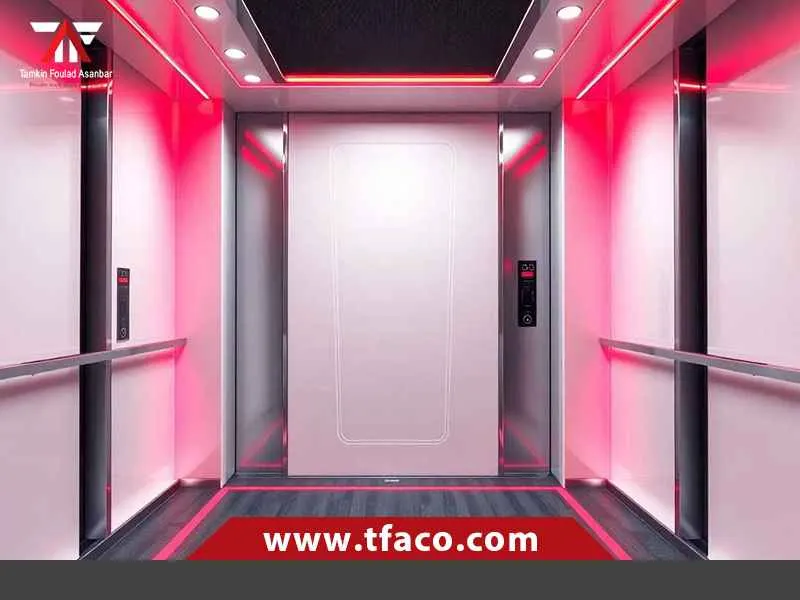
Comparison with Traction Elevators
Traction elevators use an electric traction machine and suspension ropes to move the cabin, whereas direct-acting hydraulic elevators use a hydraulic cylinder to provide lifting force.
Hydraulic systems can offer smooth acceleration and deceleration, making them particularly suitable for applications where passenger comfort and controlled movement are important.
Comparison with Gearless Elevators
Gearless elevators are generally preferred for high-rise buildings and projects requiring higher speeds and frequent passenger transportation.
Direct-acting hydraulic elevators, on the other hand, are often more suitable for low-rise and certain mid-rise buildings, particularly where heavy loads and relatively short travel distances are involved.
Maintenance requirements and costs depend on the specific system design, operating conditions, and maintenance schedule.
Which Buildings Are Suitable for Direct-Acting Hydraulic Elevators?
Direct-acting hydraulic elevators are an efficient and reliable solution for buildings where an elevator is required for low-rise or medium-rise applications.
Thanks to their relatively simple design, practical maintenance requirements, and flexible installation options, they can be suitable for various types of buildings.
In some configurations, they can also eliminate the need for a conventional machine room or reduce the amount of technical space required.
Common applications include:
- Low-rise residential complexes.
- Small office buildings.
- Boutique hotels and small hospitality facilities.
- Commercial buildings with a limited number of floors.
- Buildings requiring reliable transportation of heavier loads.
The final selection should always be based on a technical assessment of the building, including travel height, structural conditions, load requirements, and applicable elevator safety standards.
Installation and Commissioning with Minimal Disruption
The installation process at Tamkin Foolad Asanbar is carried out by an experienced team with careful planning to minimize disruption to residents, visitors, and other building activities.
The installation process generally includes the following stages:
- Site Inspection and Measurements: Visiting the installation location, taking accurate measurements, and evaluating the building’s structural conditions.
- Preliminary Design: Preparing an initial design for the elevator cabin and shaft according to the project’s technical requirements.
- Manufacturing and Preparation: Producing the required components and preparing the equipment according to the approved specifications.
- Installation and Adjustment: Installing the elevator system, making the necessary adjustments, and conducting operational tests.
- Final Handover: Officially handing over the completed system, providing operator training, and delivering the relevant technical documentation.
Why Choose Tamkin Foolad Asanbar?
When selecting and implementing a direct-acting hydraulic elevator, choosing a high-quality product alone is not enough.
Accurate installation, reliable after-sales services, and professional technical support are essential factors that determine the success of an elevator project.
This is where Tamkin Foolad Asanbar stands out.
The company’s key strengths include:
- Experience and Expertise: The company has years of experience in the design, installation, and maintenance of various elevator systems and has completed numerous successful projects.
- Specialized Team: Its engineers and technicians use up-to-date technical knowledge and professional expertise to provide appropriate solutions for each project.
- Diverse Services: From hydraulic and traction elevators to gearless systems and specialized elevator solutions, the company offers a wide range of products and services.
- After-Sales Services: 24/7 support and professional after-sales services are among the company’s key strengths, providing customers with greater confidence and peace of mind.
- Satisfied Customers: Numerous projects completed across the country and positive customer feedback demonstrate the company’s commitment to quality and reliability.
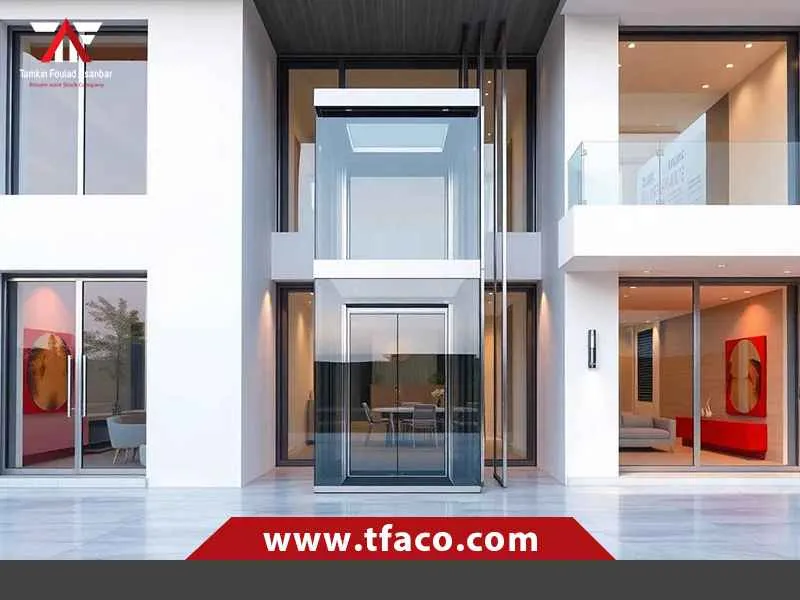
Successful Projects and Practical Experience
Tamkin Foolad Asanbar has completed numerous projects in residential, commercial, office, and healthcare buildings.
The implementation of direct-acting hydraulic elevators in these projects has helped improve building accessibility and occupant convenience while contributing to the overall functionality and value of the properties.
Contact Us for a Free Consultation
If you are constructing or renovating a building and looking for a reliable, cost-effective, and high-quality elevator solution, contact Tamkin Foolad Asanbar today.
By contacting the company’s specialists, you can:
- Receive a free technical consultation.
- Obtain customized project drawings and cost estimates.
- Review the project installation schedule and available maintenance options.
Tamkin Foolad Asanbar: Your trusted partner in making smart elevator choices for modern and forward-thinking buildings.
For more information or to request a site inspection, contact our sales and technical support team.
Website: https://tfaco.com
Phone: +98 21 2811 1139
Final Thoughts
Direct-acting hydraulic elevators are an excellent solution for many buildings thanks to their straightforward design, high safety potential, smooth operation, and ability to transport heavy loads.
By choosing this system, building owners can improve convenience and accessibility while potentially increasing the overall value of their property.
However, one of the most important factors is selecting a reliable company for professional installation and ongoing technical support.
With its extensive experience, specialized team, and comprehensive services, Tamkin Foolad Asanbar is a reliable choice for your elevator projects.
If you are looking for a dependable investment in elevator technology, contact Tamkin Foolad Asanbar today and take the first step toward a safer and more comfortable building.