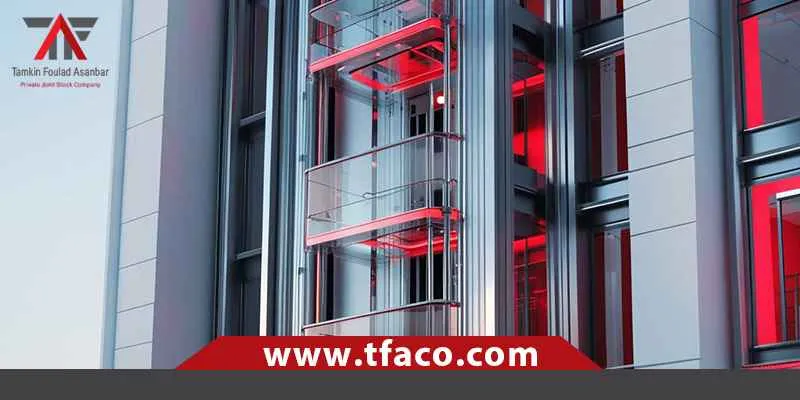
Elevators are among the most essential facilities in modern buildings. They provide convenient and efficient vertical transportation for passengers and goods. However, elevator failures can lead to serious consequences, including safety risks, disruptions to daily activities, and increased repair costs.
Understanding the causes of elevator failures is essential for building owners, facility managers, and elevator users. In this article, we explore the most common technical, human, and environmental factors behind elevator malfunctions, as well as the importance of regular elevator maintenance in preventing unexpected breakdowns.
Understanding Elevators and Their Main Components
An elevator is a mechanical and electrical system designed to transport passengers and goods vertically within buildings.
Common elevator types include:
- Traction elevators (geared and gearless)
- Hydraulic elevators
- Magnetic elevators
- Pneumatic elevators
Each type operates using a different mechanism, but all rely on several essential components to ensure safe and reliable operation.
The main components of an elevator include:
- Elevator Cabin: The enclosed space that carries passengers or goods.
- Motor: Provides the driving force required to move the elevator.
- Ropes and Cables: Transfer mechanical forces and support the elevator car in traction systems.
- Braking System: Ensures controlled and safe stopping.
- Control Panel: Manages elevator operations, movement, and floor selection.
Every component plays an important role in elevator performance. Even a minor malfunction in one part can affect the entire system.
Common Elevator Failures
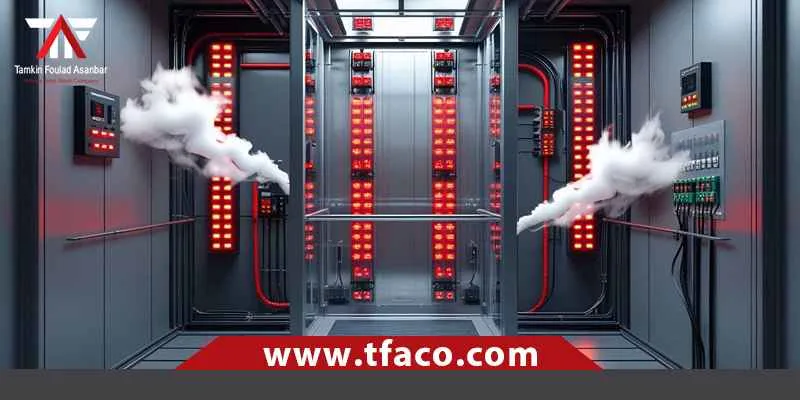
Before examining the main causes of elevator breakdowns, it is important to understand the most frequently reported problems:
- Sudden elevator stops between floors
- Irregular elevator speed or movement
- Malfunctioning doors
- Unusual noises during operation
- Electrical interruptions or safety system failures
- Control panel and command system malfunctions
These problems are generally caused by a combination of technical, human, and environmental factors.
Technical Causes of Elevator Failures
Technical problems are among the most common reasons for elevator malfunctions. They usually involve mechanical components, electrical systems, or control equipment.
1. Mechanical Component Wear and Tear
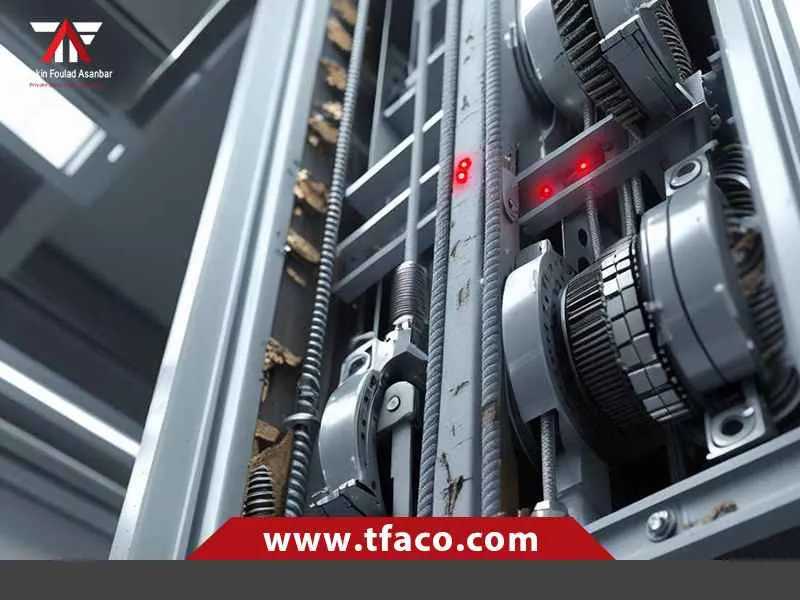
Elevator components such as ropes, pulleys, bearings, and brakes gradually deteriorate due to continuous operation.
Elevators contain several interconnected mechanical systems, including:
- Motors and gearboxes
- Steel ropes
- Pulleys
- Counterweights
- Door mechanisms
- Braking systems
Continuous operation, vibration, excessive loads, and insufficient lubrication can accelerate component deterioration.
For example, worn or damaged elevator ropes may compromise safe operation and require immediate professional inspection and replacement.
Regular inspection and timely maintenance are essential to prevent mechanical failures.
2. Electrical and Control System Problems
Electrical malfunctions are another major cause of elevator failures.
Common electrical problems include:
- Damaged wiring
- Faulty control boards
- Defective sensors
- Loose electrical connections
- Malfunctioning safety circuits
- Power supply interruptions
These issues can cause unexpected stops, irregular movement, or complete system shutdowns.
Modern elevators rely heavily on electronic control systems, making professional inspection and maintenance particularly important.
3. Hydraulic System Oil Leakage
Hydraulic elevators depend on pressurized oil to move the elevator cabin.
Oil leakage, pump malfunctions, or problems with hydraulic valves can reduce system efficiency and cause abnormal operation.
If these problems are not addressed promptly, they may eventually lead to elevator shutdowns.
Regular inspection of hydraulic components, oil levels, and pump performance helps prevent these issues.
4. Control System and Power Supply Failures
The elevator control system manages movement, floor positioning, door operation, and safety functions.
Several factors can interfere with its performance, including:
- Voltage fluctuations
- Electrical interruptions
- Moisture exposure
- Dust accumulation
- Unstable connections
- Electronic component failures
Unstable power supply conditions can also place additional stress on motors and electrical equipment.
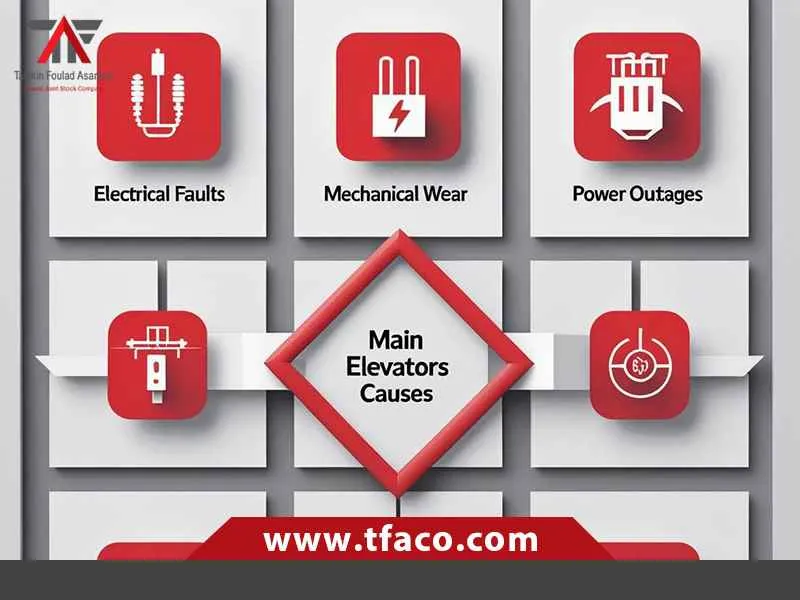
Human and Management Factors
Not all elevator failures are caused by technical defects. Human behavior and poor maintenance management can also contribute significantly to elevator problems.
Improper Elevator Use
Incorrect user behavior can damage elevator components over time.
Examples include:
- Repeatedly pressing elevator buttons
- Forcing elevator doors open or closed
- Blocking automatic doors
- Allowing children to play inside the elevator
- Using the elevator improperly during loading and unloading
Educating users about proper elevator operation can reduce unnecessary damage.
Exceeding the Maximum Weight Capacity
Every elevator is designed to carry a specific maximum load.
Exceeding this limit can place excessive pressure on the motor, suspension system, and other mechanical components.
Overloading may activate safety mechanisms and prevent the elevator from operating normally.
Users should always follow the maximum capacity displayed inside the cabin.
Neglecting Regular Elevator Maintenance
One of the most significant causes of elevator failures is insufficient preventive maintenance.
Elevators require regular inspections by qualified technicians to identify potential problems before they become serious.
Failure to replace worn components, adjust mechanical systems, or inspect safety equipment can gradually turn minor defects into major failures.
Improper Design and Installation
The quality of the initial elevator design and installation has a direct impact on its performance, safety, and service life.
Using low-quality components, incorrect installation methods, or unsuitable equipment can lead to frequent malfunctions.
Other installation-related problems include:
- Improper cable installation
- Insufficient ventilation in the elevator shaft
- Inadequate insulation
- Incorrect mechanical alignment
- Failure to follow applicable technical and safety standards
Professional design, installation, and commissioning are essential for reliable elevator operation.
Environmental Factors Affecting Elevator Performance
Environmental conditions can significantly influence elevator reliability and component lifespan.
Important environmental factors include:
- High Humidity: Can cause corrosion in metal components and damage electrical connections.
- Dust and Pollution: May interfere with mechanical movement and electronic equipment.
- Extreme Temperatures: Can affect the performance of electrical and mechanical components.
- Water Leakage: May damage electrical systems and create serious safety risks.
Elevators installed in humid or dusty environments require particular attention to inspection and preventive maintenance.
Importance of Elevator Maintenance
Elevator maintenance refers to the activities performed to ensure safe, reliable, and efficient operation.
Maintenance services generally fall into three categories:
Preventive Maintenance
Regular inspections, adjustments, lubrication, and component testing performed to prevent potential failures.
Corrective Maintenance
Repairing or replacing components after a malfunction has occurred.
Emergency Maintenance
Responding to unexpected breakdowns and safety-related incidents as quickly as possible.
Regular maintenance offers several important benefits:
- Extends elevator service life
- Reduces unexpected repair costs
- Improves passenger safety
- Minimizes equipment downtime
- Improves overall system performance
- Helps maintain compliance with applicable safety requirements
How Regular Maintenance Reduces Elevator Failures
Preventive maintenance helps identify worn components, electrical defects, and mechanical problems before they lead to major breakdowns.
Professional maintenance typically includes:
- Inspecting and evaluating mechanical components
- Checking cables and suspension systems
- Testing braking systems
- Inspecting electrical panels and wiring
- Lubricating appropriate mechanical components
- Checking safety devices
- Reviewing control system performance
It is important to note that maintenance effectiveness depends on elevator type, operating conditions, component quality, and the qualifications of the service team.
Sample Elevator Maintenance Services and Their Benefits
| Maintenance Service | Main Benefit |
|---|---|
| Cable inspection | Identifies wear and potential damage |
| Brake testing and adjustment | Improves stopping reliability |
| Electrical panel inspection | Reduces electrical malfunctions |
| Mechanical lubrication | Reduces friction and component wear |
| Control system inspection | Helps identify electronic faults |
| Door mechanism inspection | Prevents door-related malfunctions |
How Professional Elevator Maintenance Is Performed
A professional elevator maintenance process generally involves the following steps:
- Complete Inspection: Examining mechanical and electrical components.
- Cleaning: Removing dust, debris, and other contaminants.
- Adjustment and Testing: Checking motor operation, braking systems, cables, doors, and control equipment.
- Safety Evaluation: Testing relevant safety devices and operating functions.
- Documentation: Recording inspection results and reporting potential problems to the building owner.
Experienced technicians play an essential role in identifying early signs of failure and preventing more serious problems.
Maintenance records also help building managers monitor equipment conditions and plan future repairs.
Statistics and Data Related to Elevator Failures
Elevator breakdowns can result from multiple factors, including component deterioration, electrical problems, improper installation, and inadequate maintenance.
Although some industry publications report high percentages of failures associated with insufficient maintenance, these figures should not be treated as universal without a clearly identified study and methodology.
The practical conclusion is that regular inspections and preventive maintenance can significantly reduce unexpected breakdowns and unnecessary repair expenses.
Effective Ways to Prevent Elevator Failures
Preventing elevator failures requires a combination of professional maintenance, proper installation, and responsible usage.
The following measures can help improve elevator reliability:
- Implement a regular maintenance program based on applicable standards and manufacturer recommendations.
- Train users to operate elevators correctly.
- Prevent overloading beyond the permitted capacity.
- Use genuine and approved replacement components.
- Ensure suitable environmental conditions in the elevator machine room and shaft.
- Inspect electrical and mechanical systems regularly.
- Keep detailed maintenance and repair records.
- Work with qualified elevator technicians and service providers.
Frequently Asked Questions (FAQ)
1. What is the main cause of elevator failures?
The most common causes include mechanical wear and tear, electrical problems, improper usage, poor installation, and insufficient preventive maintenance.
2. How often should elevators be serviced?
Elevator maintenance frequency depends on the elevator type, usage intensity, manufacturer recommendations, and applicable regulations. Regular professional inspections are essential.
3. Do counterfeit or non-genuine spare parts affect elevator performance?
Yes. Unapproved components may reduce system reliability, cause recurring malfunctions, and compromise passenger safety.
4. How can hydraulic elevator failures be prevented?
Regular inspection of hydraulic oil levels, leakage, pumps, valves, and related components helps prevent hydraulic elevator malfunctions.
5. Do environmental conditions affect elevator lifespan?
Yes. Humidity, dust, water leakage, and extreme temperatures can damage electrical and mechanical components and increase the likelihood of failures.
6. Why is preventive elevator maintenance important?
Preventive maintenance helps identify potential defects early, improves operational reliability, reduces unexpected downtime, and supports passenger safety.
Conclusion
Elevator failures are generally caused by a combination of technical, human, and environmental factors. Understanding these causes and implementing an effective maintenance strategy can significantly reduce breakdowns and improve elevator safety.
Regular elevator maintenance is not simply an additional expense; it is an essential investment in equipment reliability, passenger safety, and long-term operational efficiency.
By following proper maintenance procedures, using high-quality replacement components, and working with experienced professionals, building owners can extend elevator service life and minimize unexpected repair costs.
Temkin Foolad Asanbar focuses on providing professional elevator solutions, including design, installation, maintenance, and technical support.
Choosing a qualified elevator service provider and prioritizing regular maintenance are important steps toward safer and more reliable elevator operation.